
Using Tarot in Therapy: A Tool for Self-Reflection and Inner Understanding
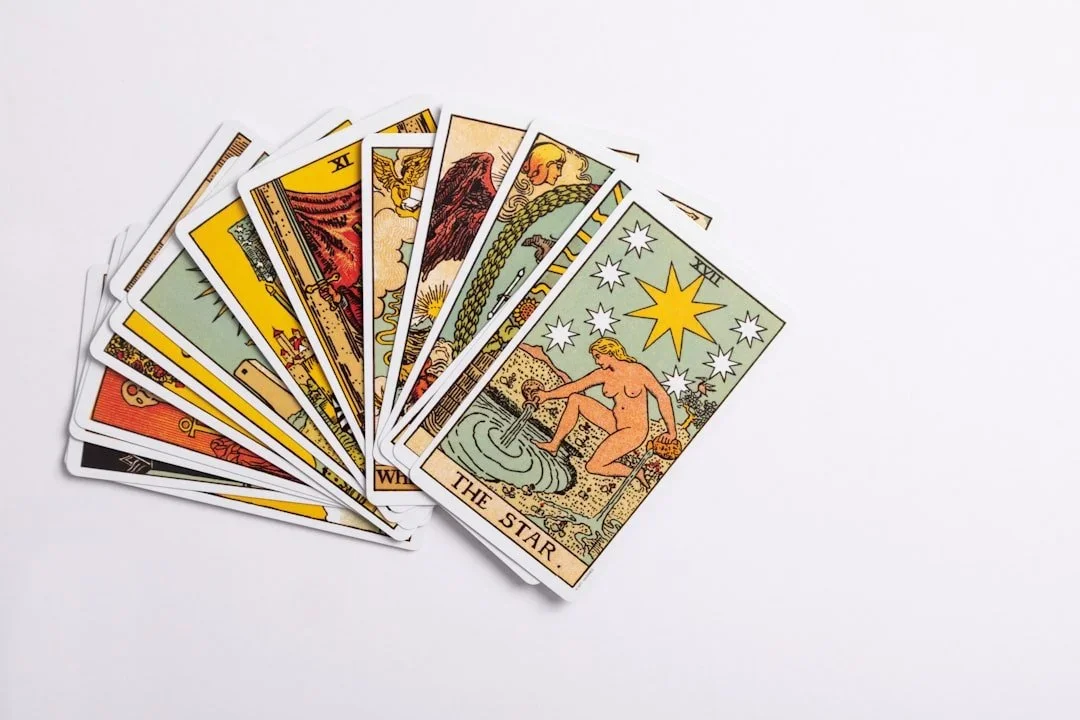
Tarot is often misunderstood as simply a tool for predicting the future, but in a therapeutic context, it serves a very different and meaningful purpose. For clients seeking therapy, tarot can be a powerful tool for self-reflection, helping uncover subconscious patterns, emotions, and themes that may otherwise remain hidden. It is not about fortune-telling—it’s about exploring the inner world in a structured, symbolic, and reflective way.
The Role of Tarot in Therapy
In my practice, tarot functions as a gateway to deeper understanding. When working with new clients, it can serve as a gentle icebreaker, offering a way to begin conversations that might feel difficult or abstract at first.
Each card in the deck carries archetypal symbolism, and when a client selects or interacts with cards, it provides insight into what is arising internally. This process allows the client to interpret the cards in the context of their own experiences, feelings, and inner narratives, rather than relying on an external “answer.”
Tarot in therapy can uncover layers of the subconscious that might be hard to access through traditional conversation alone. For example, a card may highlight a recurring theme, a part of the self that feels unheard, or a tension between different internal voices.
By exploring these symbols in the moment, clients can begin to connect patterns in their thoughts, behaviors, and emotions with underlying needs or experiences. It creates a bridge between the conscious mind and the deeper parts of the psyche.
Parts Work
One of the strengths of using tarot in therapy is that it aligns beautifully with parts work. Many clients carry conflicting inner parts—an inner critic, a wounded child, or a protective voice.
Tarot can give voice to these parts in a non-threatening way, allowing them to emerge naturally during the session. This can deepen awareness and facilitate compassionate dialogue between different aspects of the self.
Client-Led Interpretation
Tarot also encourages client-led interpretation, which is central to the therapeutic process. The meaning is not imposed; instead, the client’s own reflections guide the insights. This empowers clients to trust their intuition and validates their personal experiences.
Often, this process brings new perspectives, helps uncover unconscious material, and reveals patterns that may be influencing current life choices or relational dynamics.
Using Tarot Alongside Conventional Methods
Using tarot in therapy is not a replacement for evidence-based approaches—it is a complementary layer that enhances understanding and self-awareness. It can enrich sessions by providing tangible images and metaphors for abstract emotional experiences, making it easier to articulate feelings, explore themes, and identify areas for growth. Over time, clients often report that working with tarot strengthens their ability to notice internal patterns and respond with greater self-compassion.
For those hesitant about tarot, it is important to note that it is a collaborative and exploratory tool. It does not tell the client what to do; it helps illuminate what is already present within their subconscious mind. In this way, tarot fosters curiosity, self-reflection, and personal insight—all of which are critical steps in the healing journey.
Final Thoughts
Incorporating tarot into therapy sessions can provide a unique and meaningful way to explore the self. By combining tarot with techniques like parts work, mindfulness, and reflective dialogue, clients gain a deeper understanding of their inner landscape. This process can bring clarity, highlight unconscious patterns, and support the development of practical strategies for personal growth.
If you are curious about how tarot can support your therapeutic journey, sessions offer a safe and guided space to explore emotions, uncover patterns, and connect with deeper parts of yourself. Tarot in therapy is a tool for insight, not prediction—helping you engage with your subconscious in a meaningful and empowering way.
